Overview
The Smart Green Transport Hub is a central station for low-carbon travel. It connects electric buses, cycle routes, e-bike and e-scooter charging, safe pedestrian walkways, and live travel boards in one easy-to-use area.
In-depth feature
A connected place where electric public transport, active travel, renewable energy, and live information help people travel in cleaner ways.
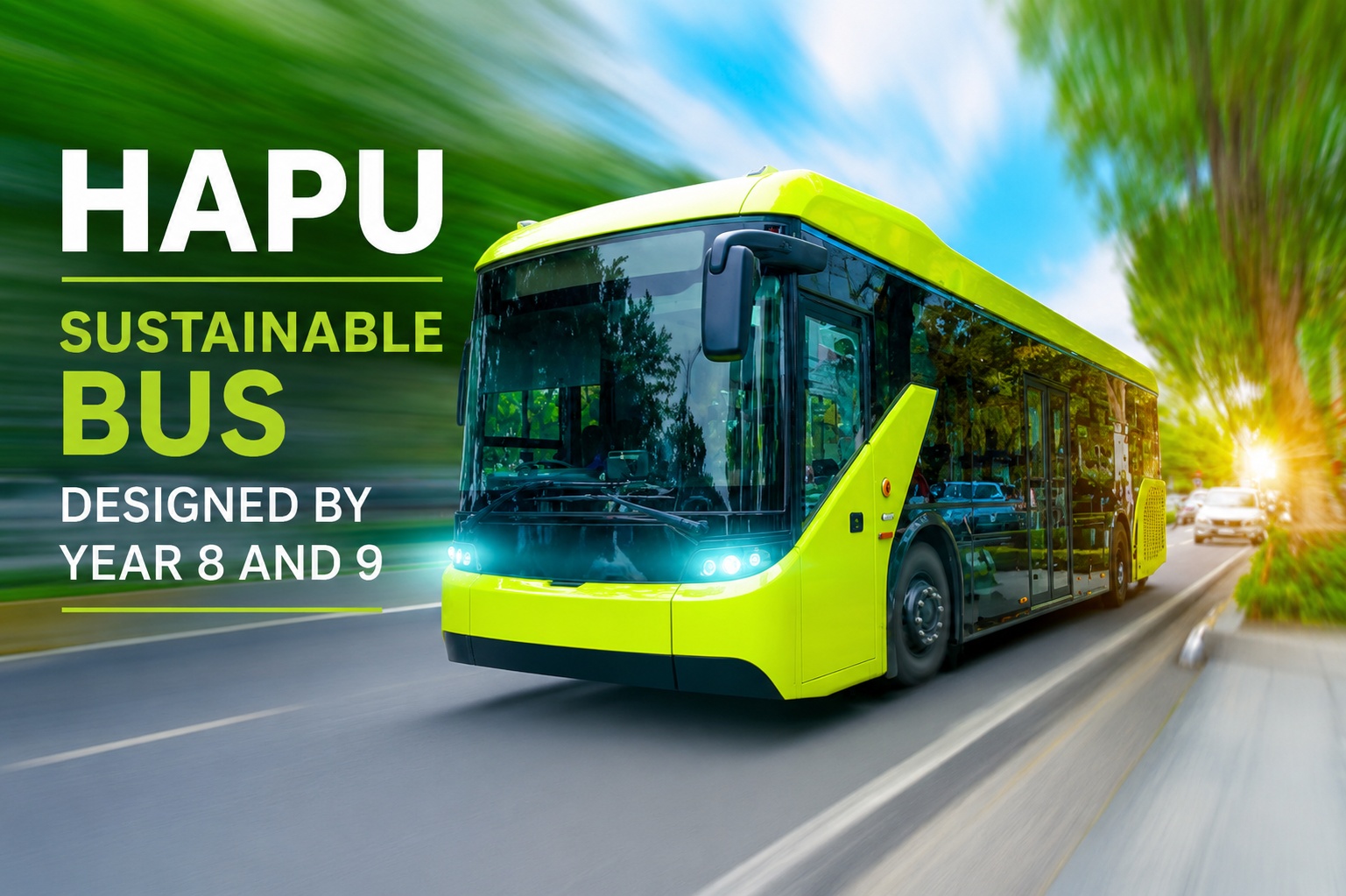
The Smart Green Transport Hub is a central station for low-carbon travel. It connects electric buses, cycle routes, e-bike and e-scooter charging, safe pedestrian walkways, and live travel boards in one easy-to-use area.
Solar-powered bus shelters collect energy during the day. Electric buses stop at clearly marked bays. Smart traffic lights respond to traffic flow, while live travel information boards show bus times, route changes, bike availability, and safety messages.
The hub reduces air pollution by supporting electric transport and short journeys by bike, scooter, or walking. It can reduce traffic congestion, lower fuel use, improve air quality near schools and homes, and make healthier travel choices easier.
The design includes solar panels, battery storage, electric bus chargers, e-bike and e-scooter charging docks, sensors, smart traffic lights, LED lighting, secure bike parking, CCTV for safety, and digital travel information screens.
Many real cities already use parts of this idea. Electric buses are used to cut emissions, cycle parking supports active travel, solar panels power lights and displays, and smart traffic systems help vehicles and pedestrians move more safely.
Our Sustainable Digital City combines these ideas into one student-designed transport hub that could be placed near a school, shopping area, railway station, or community centre.
A QR code can be placed on a physical display to connect viewers to this page. When scanned, it can explain what each transport hub part represents, why it is sustainable, and how the coding club used HTML and CSS to present the idea digitally.